
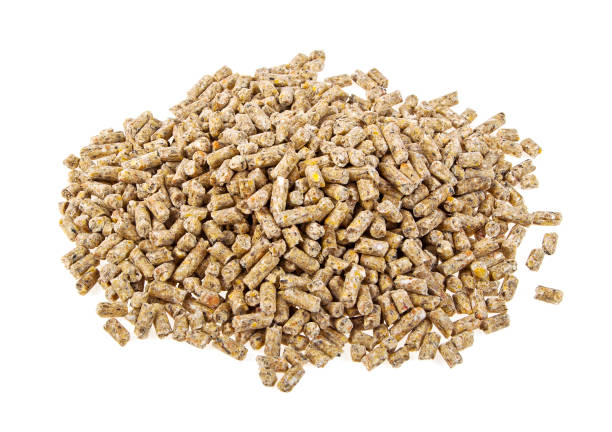

Healthy dairy cows require a balanced diet to produce high-quality milk, maintain good body condition, and support overall well-being. While forage, silage, hay, and concentrates provide the foundation of a dairy cow’s diet, they may not always supply every nutrient needed during different stages of production. This is why dairy cow supplements are widely used in modern dairy farming.
Dairy cow supplements are specially formulated nutritional products that help provide essential vitamins, minerals, proteins, amino acids, probiotics, and other nutrients. When used as part of a balanced feeding program, they can help support milk production, reproductive performance, immune function, and overall herd health.
In this guide, we’ll explain everything you need to know about dairy cow supplements, including their benefits, common types, and tips for choosing the right products.
What Are Dairy Cow Supplements?
Cattle Feed Supplement for Dairy Farmers are nutritional products designed to complement a cow’s regular diet by providing nutrients that may be missing or insufficient in forage and feed.
They are available in several forms, including:
Mineral mixtures
Vitamin supplements
Protein supplements
Energy supplements
Probiotic supplements
Liquid supplements
Mineral lick blocks
Feed premixes
Each supplement is formulated to meet specific nutritional needs depending on the cow’s age, health, and stage of lactation.
Why Are Dairy Cow Supplements Important?
Milk production places significant nutritional demands on dairy cows. Without adequate nutrition, cows may experience reduced milk yield, poor body condition, weakened immunity, and reproductive challenges.
A well-balanced supplementation program can help support:
Healthy milk production
Strong bones and muscles
Proper digestion
Reproductive performance
Immune function
Growth and development
Overall herd productivity
Supplements work best when combined with high-quality forage, clean water, and good farm management practices.
Benefits of Dairy Cow Supplements
1. Supports Milk Production
Lactating cows have higher nutritional requirements than dry cows. Appropriate supplementation can help meet these increased nutrient demands as part of a balanced feeding program.
2. Improves Reproductive Performance
Essential minerals and vitamins contribute to reproductive health, pregnancy maintenance, and healthy calf development.
3. Strengthens the Immune System
Balanced nutrition supports normal immune function, helping cows better cope with environmental and management-related stress.
4. Promotes Healthy Digestion
Some dairy cow supplements contain probiotics and yeast cultures that help support rumen health and efficient digestion.
5. Maintains Healthy Bones
Minerals such as calcium and phosphorus are important for bone strength and normal muscle function.
6. Supports Better Feed Utilization
Proper nutritional balance can improve how efficiently cows utilize nutrients from their daily feed.
Types of Dairy Cow Supplements
Mineral Supplements
Minerals are essential for metabolism, milk production, reproduction, and skeletal health.
Common minerals include:
Calcium
Phosphorus
Magnesium
Zinc
Copper
Selenium
Manganese
Vitamin Supplements
Important vitamins include:
Vitamin A
Vitamin D
Vitamin E
B-complex vitamins
These nutrients support immunity, growth, and overall health.
Protein Supplements
Protein is essential for:
Milk production
Muscle maintenance
Growth
Tissue repair
Protein supplements are commonly used when forage protein levels are insufficient.
Energy Supplements
High-producing dairy cows often require additional dietary energy during early lactation. Energy supplements can help meet these increased nutritional demands.
Probiotic Supplements
Probiotics support healthy rumen microorganisms, which are important for digestion and nutrient utilization.
Electrolyte Supplements
Electrolytes may be used during periods of heat stress or recovery from illness under appropriate veterinary guidance.
Key Nutrients in Dairy Cow Supplements
Quality dairy cow supplements often contain:
Protein
Calcium
Phosphorus
Magnesium
Sodium
Zinc
Copper
Selenium
Iron
Vitamins A, D, and E
Amino acids
Probiotics
Yeast cultures
The exact nutrient profile varies depending on the product and its intended use.
How to Choose the Best Dairy Cow Supplements
Selecting the right supplement depends on several factors.
Consider the Stage of Production
Different cows have different nutritional needs:
Heifers
Dry cows
Pregnant cows
Fresh cows
Lactating cows
High-producing dairy cows
Evaluate Feed Quality
Understanding the nutritional value of your forage and feed can help identify whether supplementation may be beneficial.
Review Ingredients
Choose products with:
Clearly listed ingredients
Guaranteed nutrient analysis
Reputable manufacturing standards
Feeding instructions
Match Supplements to Your Goals
Your objectives may include:
Supporting milk production
Maintaining body condition
Improving reproductive performance
Supporting immune health
Promoting healthy growth
Seek Professional Advice
Consult a veterinarian or qualified animal nutritionist before making significant changes to your herd’s feeding program.
Best Practices for Feeding Dairy Cow Supplements
For effective supplementation:
Follow the manufacturer’s feeding recommendations.
Provide unlimited access to clean drinking water.
Introduce dietary changes gradually.
Store supplements in a cool, dry place.
Monitor body condition and milk production regularly.
Maintain a consistent feeding schedule.
Common Mistakes to Avoid
Avoid these common errors:
Overfeeding supplements
Using expired products
Ignoring feeding instructions
Storing supplements in humid conditions
Choosing products based only on price
Neglecting forage quality
Making sudden dietary changes
Signs Your Dairy Cows May Need Nutritional Support
Possible signs include:
Reduced milk production
Poor body condition
Delayed breeding performance
Weak calves
Dull hair coat
Reduced appetite
Slow recovery after calving
Frequent health issues
These signs may have multiple causes. A veterinarian should evaluate affected animals before changes are made to the feeding program.
Conclusion
Dairy cow supplements can be an important part of a well-balanced nutrition program. By providing essential vitamins, minerals, proteins, and other nutrients, they help support milk production, digestive health, reproduction, and overall herd performance.
The best supplement depends on your cows’ age, stage of production, forage quality, and nutritional requirements. Combined with proper feeding practices, clean water, and good herd management, appropriate supplementation can contribute to healthier cows and more efficient dairy operations.
Frequently Asked Questions (FAQs)
1. What are dairy cow supplements?
Dairy cow supplements are nutritional products that provide additional vitamins, minerals, proteins, or other nutrients to complement a cow’s regular diet.
2. Why are dairy cow supplements important?
They help address nutritional gaps, support milk production, maintain body condition, promote reproductive health, and support overall herd well-being.
3. Can dairy cow supplements increase milk production?
If a cow has nutritional deficiencies, appropriate supplementation as part of a balanced feeding program may help support milk production. Results vary based on diet, genetics, health, and farm management.
4. What nutrients are commonly found in dairy cow supplements?
Common nutrients include calcium, phosphorus, magnesium, zinc, copper, selenium, vitamins A, D, and E, protein, amino acids, and probiotics.
5. When should dairy cows receive supplements?
Supplementation depends on the cow’s age, stage of lactation, pregnancy status, forage quality, and nutritional needs. Follow product instructions and seek professional guidance when necessary.
6. Are mineral supplements necessary for dairy cows?
Minerals are essential for bone health, metabolism, reproduction, and milk production. Whether additional supplementation is needed depends on the cow’s diet and nutritional status.
7. Can probiotics benefit dairy cows?
Some probiotic supplements are formulated to support rumen health and digestion, which may improve nutrient utilization as part of a balanced feeding program.
8. How should dairy cow supplements be stored?
Store supplements in a cool, dry, well-ventilated area away from moisture, direct sunlight, and pests. Keep packaging sealed when not in use.
9. Can I combine different dairy cow supplements?
Combining products without reviewing their nutrient content may lead to excessive intake of certain nutrients. Consult a veterinarian or animal nutritionist before using multiple supplements together.
10. How do I choose the best dairy cow supplement?
Choose a supplement based on your cows’ production stage, nutritional requirements, forage quality, and farm goals. Look for reputable manufacturers, clear labeling, and evidence-based feeding recommendations. Consulting a qualified livestock nutrition professional can help ensure the supplement is appropriate for your herd.

