
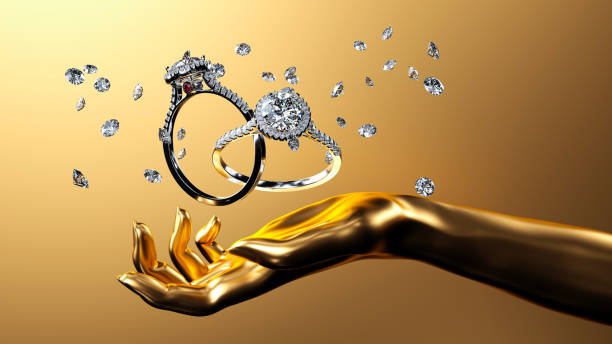

When considering the true cost of luxury in modern fine jewellery, Lily Arkwright’s ethical diamond jewellery stands at the centre of an important conversation. Engagement rings are no longer judged only by their sparkle or prestige, but also by how responsibly they are sourced and produced. As couples explore their options, the choice between mined diamonds and lab diamonds has become a defining factor in both value and meaning, particularly within the collections offered by Lily Arkwright.
Mined diamonds have long been associated with tradition and rarity. Extracted from the earth over millions of years, they carry a sense of history that appeals to many buyers. However, the financial cost of mined diamonds often reflects more than their physical beauty. Expenses linked to extraction, transportation, and limited availability can significantly increase their price. In addition to this, environmental disruption and ethical concerns surrounding mining practices have prompted many consumers to question whether this traditional luxury still aligns with modern values.
Lab diamond engagement rings offer a compelling alternative. Created using advanced technology that replicates natural diamond formation, lab diamonds are chemically and visually identical to mined stones. The primary difference lies in their origin. Because lab diamonds are produced in controlled environments, they avoid the extensive environmental impact associated with mining. This streamlined process often results in a lower price point, allowing buyers to invest in larger or higher quality stones without exceeding their budget.
The cost comparison between mined and lab diamonds is particularly noticeable when exploring engagement rings. Lab diamonds typically cost less than their mined counterparts while maintaining the same brilliance, durability, and certification standards. This price difference does not indicate lower quality, but rather a more efficient production method. For many couples, this means luxury becomes more accessible without compromising on aesthetics or craftsmanship.
Ethical considerations also play a major role in defining value. Consumers today are increasingly aware of the social and environmental footprint of their purchases. Lab diamonds provide transparency and peace of mind, as their origins are fully traceable and free from the risks sometimes associated with mined stones. This ethical clarity adds an intangible value that resonates strongly with buyers seeking jewellery that reflects their principles.
Design flexibility further influences the perceived cost of luxury. With lab diamonds, designers have greater freedom to experiment with cuts, settings, and carat sizes. This creative freedom allows for bespoke engagement rings that feel deeply personal. Mined diamonds, while undeniably beautiful, may present limitations due to availability and cost, particularly for larger stones or specific shapes.
Long term value is another aspect worth considering. Traditionally, mined diamonds were viewed as better investments due to their natural scarcity. However, engagement rings are rarely purchased with resale as the primary goal. Instead, emotional significance and daily wearability take precedence. In this context, lab diamond rings offer exceptional value, combining lasting beauty with ethical assurance and financial sensibility.
Ultimately, the cost of luxury is no longer defined solely by rarity or tradition. It is shaped by how a piece is made, what it represents, and how it aligns with personal values. Lily Arkwright has positioned itself at the intersection of elegance and responsibility, offering both mined and lab diamond engagement rings that cater to diverse preferences. By providing transparent options, the brand allows couples to choose a ring that reflects not only their love story, but also their vision for a more thoughtful and sustainable future.

